
.png)




Expired
Are Shrinking Dairy Herds a Sign of Progress?
.webp)
Recent industry figures show the GB dairy sector continuing to contract in terms of animal numbers. In October 2025, the milking herd stood at 1.63 million cows which is the lowest October figure on record and a 0.9% decline compared with the same time last year. The total GB dairy herd fell to 2.51 million animals, down 1.3% year on year.
At first glance, this reduction may appear to signal progress and a cause for celebration: fewer cows, less farming, less harm. But the reality is far more troubling. Because despite having fewer cows, the dairy industry is producing more milk than ever. According to AHDB, milk production continues to rise, with record deliveries driven by “improving productivity” – in other words, higher yields per cow. This is not a story of gentler farming or a sector winding down. It is a story of intensification.
Productivity Comes at a Cost
A rising milk output from a shrinking herd means one thing: the cows trapped in the system are being pushed harder. Higher productivity does not happen by accident. It is achieved through selective breeding for extreme milk yields, tightly controlled diets, relentless milking schedules, and the physical exploitation of cows’ reproductive cycles. These animals are not simply producing milk; they are being engineered and managed to extract as much as possible, for as long as possible, until their bodies can no longer cope.
.webp)
Lameness, mastitis, metabolic disorders and premature slaughter are well-documented consequences of high-yield dairy systems. A cow’s natural lifespan is around 20 years; in intensive dairy systems, many are killed at just five or six. Fewer cows doesn’t mean fewer deaths: it often means shorter, harsher lives.
Fewer Cows, Faster Turnover
The industry itself is clear about what comes next. With milk prices easing and commodity markets under pressure, further herd reductions are expected. Farmers are anticipated to remove “older and underperforming” animals while “cull cow” prices remain strong. Translated plainly: cows who can no longer meet the escalating demands of productivity are sent to slaughter. If they are no longer profitable, they get the chop – this is the harsh reality of dairy, and one that vegetarians must realise.
This cycle is central to modern dairy farming. Animal numbers are not reducing because the system is becoming kinder or less reliant on exploitation, but because only the most productive bodies are economically viable. The result is a smaller herd producing more milk, and a system that is more ruthless, not less.
The Illusion of Progress
Industry narratives often frame falling cow numbers as evidence of sustainability gains or improved efficiency. But efficiency in this context does not mean less harm; it means concentrating that harm into fewer bodies. As long as milk production continues to rise, the dairy industry remains dependent on forced impregnation, calf separation, physical exhaustion, and slaughter. The suffering is being intensified and it's the cows who continually suffer.
Real progress would mean a total end of this industry, not fewer cows producing more than ever. Until demand for dairy declines, shrinking herds are not a sign of compassion or transition. They are a warning sign that exploitation is becoming more concentrated, more industrialised, and more horrific for the animals still trapped inside the system.
The uncomfortable truth is this: fewer cows does not mean less cruelty, it means more abuse for every single cow being exploited. Together, we can help change this by choosing plant milk.
As always,
For the Animals
.png)


.webp)
The Oven District is making waves with their switch to default oat milk.
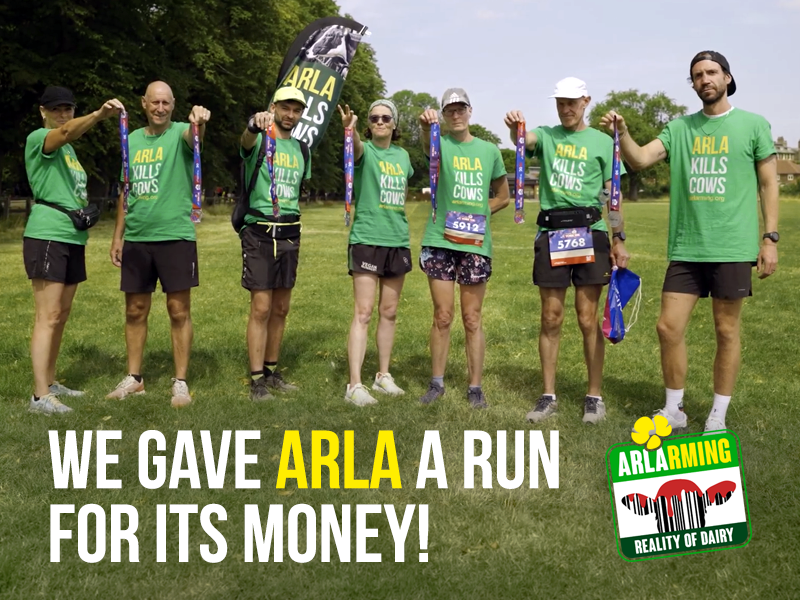
Eight runners took part in the York 10K on behalf of Animal Justice Project.
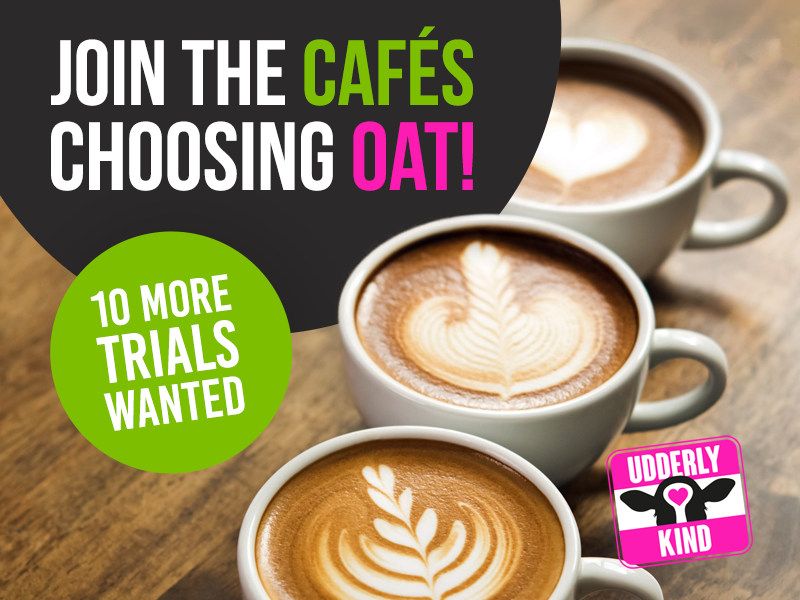
Default oat is gaining momentum, and this is only the beginning.
more POSTS
more Press releases




.png)