
.png)




General
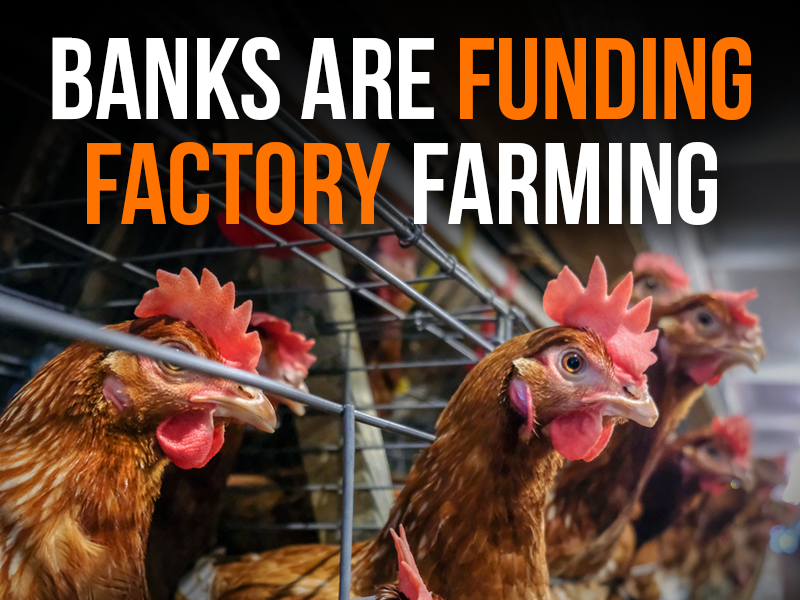
Banks are Funding Factory Farming
- Blog written by Julie Hurst
In April, campaigners from over twenty countries took part in a coordinated protest against the World Bank Group. The Global Day of Action, timed to coincide with the World Bank Spring Meetings in Washington, D.C., was an urgent call for this supposedly development-focused institution to stop financing factory farming. Between 2023 and 2024 the World Bank Group invested $1.4 billion in this abhorrent industry. However, unbeknown to many of us, this funding of animal exploitation is also happening much closer to home. Not only are British high street banks investing eyewatering sums in industrial livestock companies, they are using our money to do it.
The Scale of the Problem
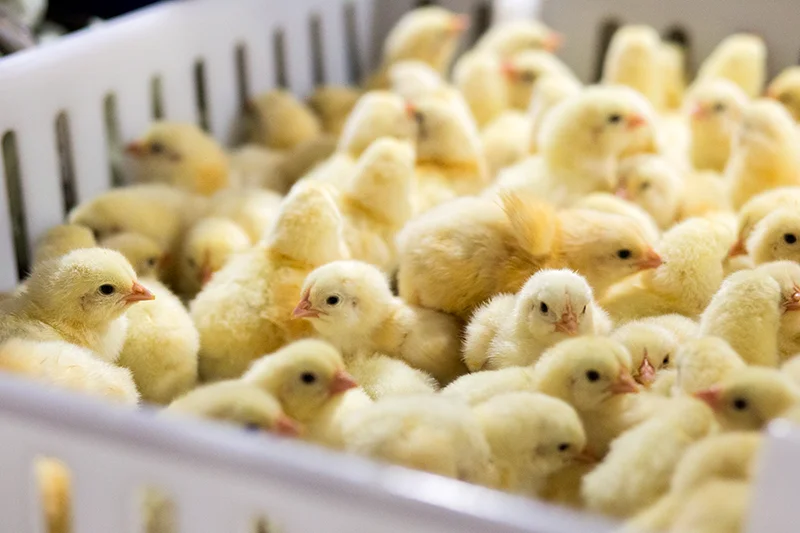
Between 2015 and 2022, six UK banks alone channelled $77 billion into factory farming. In addition, as of March 2023, these six companies – Barclays, HSBC, Santander, Lloyds, NatWest and Standard Chartered – owned $1.2 billion in shareholdings in industrial livestock companies. They are among the biggest financiers of industrial animal agriculture in the world, and by far the UK’s biggest is Barclays.
Since 2015, Barclays has invested more than £5 billion in JBS - thought to be the largest meat supplier in the world – which owns or has a controlling stake in some of this country’s most well-known brands, including Walls and Mattesons. Each year this Brazilian-based company is behind the confinement and slaughter of over 5 billion chickens, 53 million pigs, 27 million cows and 8 million lambs, each having endured a torturous and short-lived existence. The company and its subsidiary network have also been linked to allegations of high-level corruption, modern-day ‘slave labour’ practices, illegal deforestation, animal welfare violations and major hygiene breaches. And in 2017, its holding company agreed to pay one of the biggest fines in global corporate history, $3.2 billion, after admitting to bribing hundreds of politicians.
Despite this catalogue of cruelty, destruction and illegality, Barclays’ customers are likely to be completely oblivious to their bank’s complicity, and indeed most customers of British high street banks are undoubtedly unaware that the money they are depositing into their current accounts is helping to fund factory farming.
Hidden Investments
While many banks now publish ethics policies that detail their position on financing fossil fuels, deforestation, arms and weaponry and tobacco, as well as their stance on human rights, very few actually mention factory farming. And of the handful that do, they don’t have a publicly disclosed and dedicated animal welfare policy. In World Animal Protection’s Banking on Welfare report, which ranks ten of the UK’s biggest banks on their animal welfare policies, nine scored poorly, with five not scoring at all. And even Triodos Bank, which came out on top, was criticised for not doing enough and having more work to do. (It’s also clear from the little information Triodos does make available, that it finds investing in other forms of animal agriculture acceptable).
What are the Alternatives?
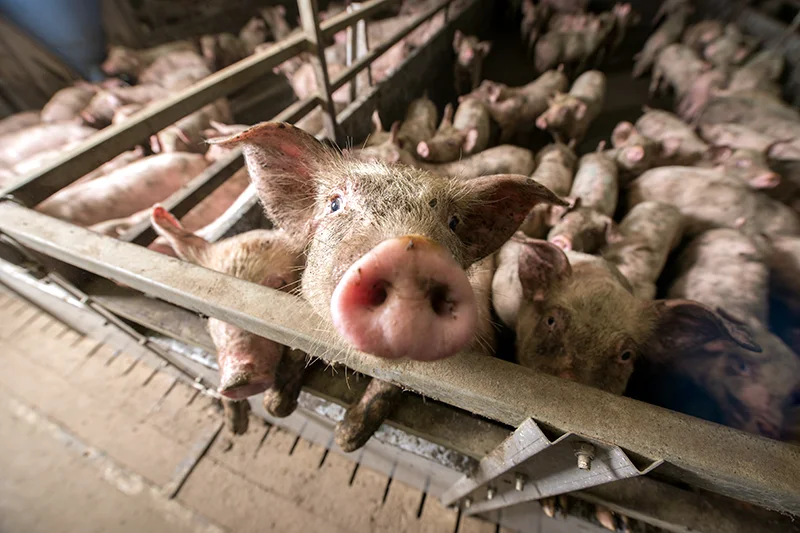
While it seems that a truly ethical bank may be hard to find, we don’t actually need banks to have a bank account. Many building societies now offer all the services that most of us need, and unlike banks they don’t lend to companies to finance their business activities. And by switching to another, more animal-friendly institution, customers can send a clear message that can and will make a real impact.
Banks rely entirely on customer deposits, and so when their deposits fall so does their capacity to lend. Withdrawing custom means reducing the amount of money they have available to fund factory farming corporations. And while taking such action as an individual may seem futile to some, at scale, this directly impacts the scope of what banks can do. Another point worth noting is that financial institutions track customer feedback, complaints and switching patterns obsessively. By leaving a bank, and explicitly explaining why, it will be noticed. As pressure from customers to stop investing in factory farming grows, the banks’ reputational risk increases, and the greater the numbers citing the same reason, the more likely it will be that change becomes a possibility.
Damaging Reputations
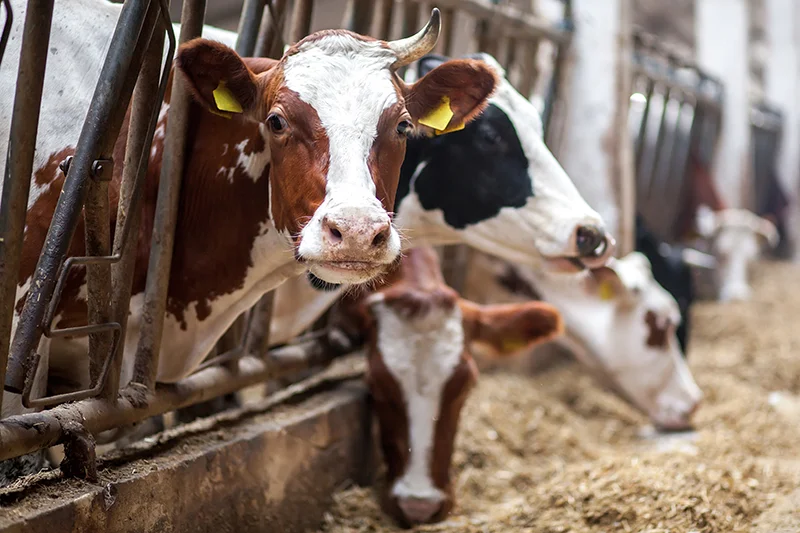
Past experience shows how impactful damage to reputation can be. For example, just last year the actions of Animal Justice Project succeeded in wiping millions from Cranswick plc’s share value. After exposing the horrors inside Northmoor Farm, one of the company’s pig breeding facilities in Lincolnshire, the company’s market value plummeted by nearly £300 million. The share price dropped by as much as 9% in a single day – the steepest fall since March 2020 – wiping out over a year of growth and profits for the company.
And the impact of taking indirect action - targeting the banks rather than the livestock giants themselves - should not be underestimated either. In his book Your Neighbour Kills Puppies, former SHAC campaign coordinator Tom Harris sets out how Stop Huntingdon Animal Cruelty became the “biggest and most effective grassroots animal rights campaign the world has ever seen” by targeting the finances and reputation of Huntingdon Life Sciences, a huge multinational corporation and owner of one of Europe’s largest animal testing laboratories.
By continuing to fund factory farming, the world’s banks are continuing to support a broken food system - even as the World Bank Group promotes climate and development goals, it continues to finance industrial livestock. However, as pressure grows to cease supporting the cruel and outdated practices that not only fuel animal suffering, but environmental devastation and climate destruction too, these banks have two choices: to continue profiting from an industry that is hugely harmful and subject to increasing scepticism and scrutiny, or support investment in a kinder, safer and more sustainable future.
Let’s put our money in the right places and help defund factory farming.
As always,
For the Animals!
.png)


We have submitted our complaints against the dangerous #WeEatBalanced TV advertisement.
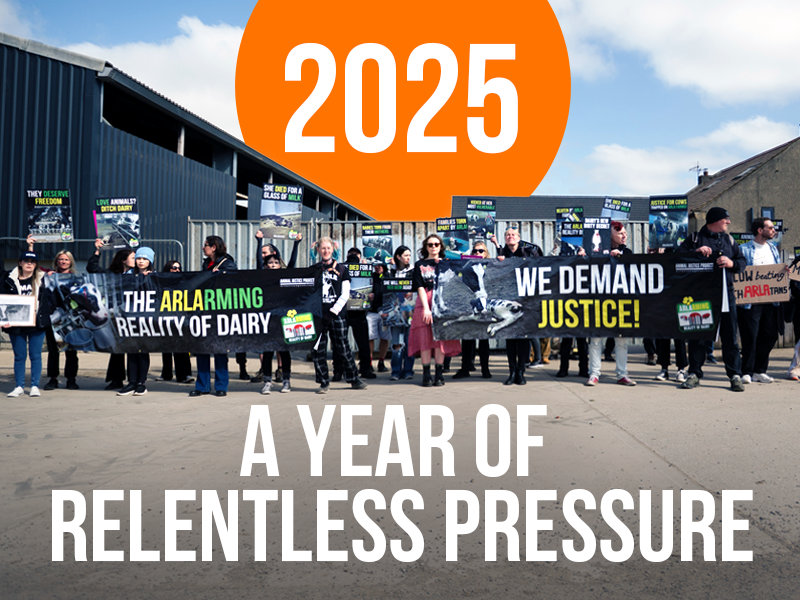
2025 was a BIG year at Animal Justice Project. Take a look at what we achieved.

We’ve built something new, and we’d love for you to be part of it.
more POSTS
more Press releases




.png)